

Postcard from Abroad
In which I share pictures and still talk about existential dread

Welcome to Vacation Mode on Everything Is Crumbling!
This month, my family is traveling, so I’m taking a break from the lectionary and instead, hosting friends, sharing rabbit trails, and sending postcards from abroad. There is still a post each week!
If you missed the two guest posts, you can find Britt’s meditation on baptism and the cosmos here, and Mollie’s ode to composting spirituality here. And here’s my list of things I can’t stop thinking about from last week!
This week’s newsletter is a postcard from abroad (I’m nearly home though, bless).
I’ll be back in July with the lectionary and a case of jet lag.
Be sure to subscribe so you don’t miss anything!
(I prematurely called this post a “Postcard from Abroad,” thinking I would write a cute post about espressos and language mishaps, but instead, as always, I’m writing about existential dread. I guess it doesn’t matter where I am in the world—the dread packs herself in my suitcase, even when I’m not looking.)
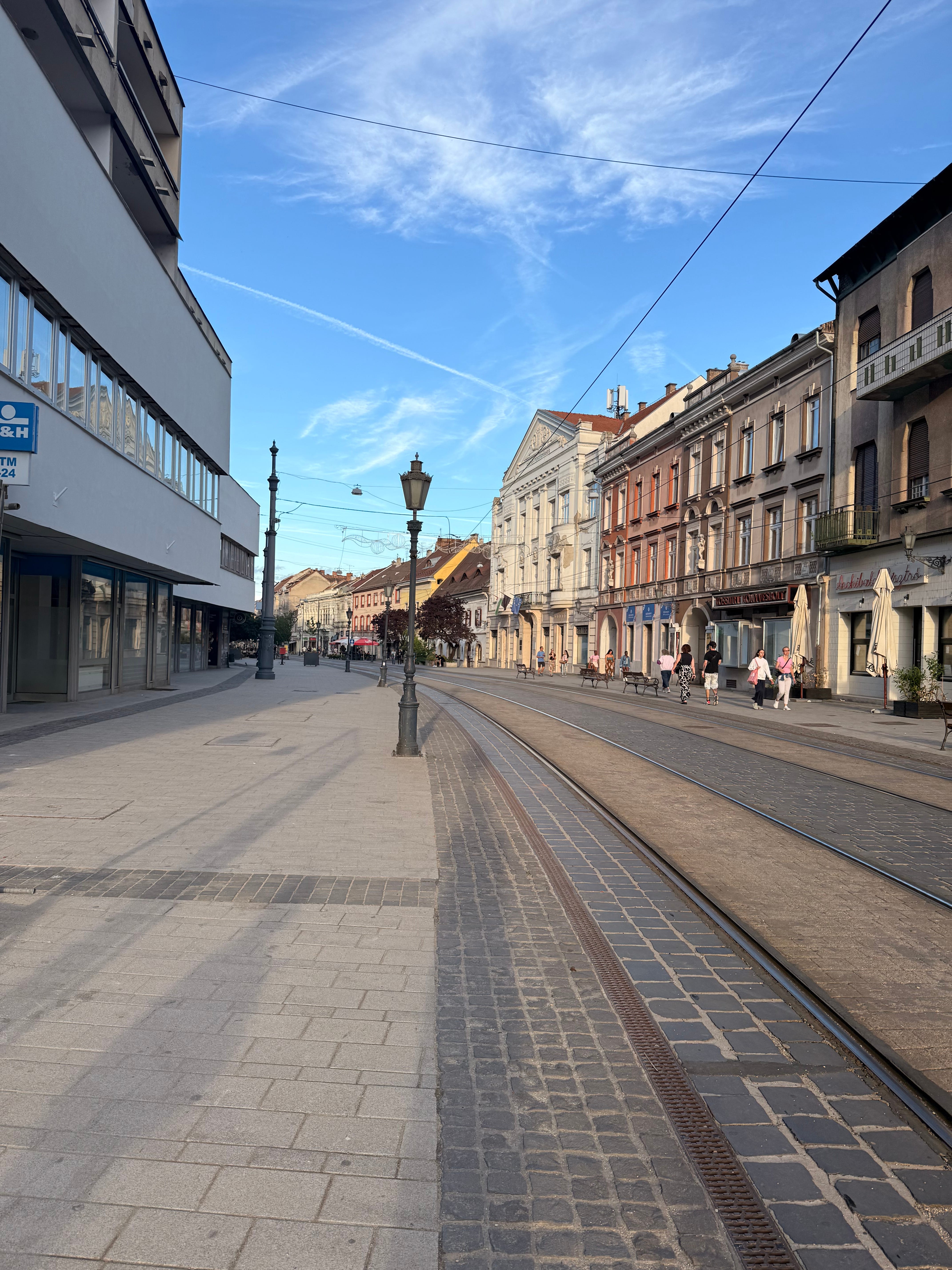
My family and I have been traveling in Europe for most of June. My husband is from Hungary, and the ties that bind him pull us there regularly. We visited the eastern part of the country where he grew up and walked familiar streets with ice cream cones in hand. We then traveled across the country to the western side (a three-hour drive, hilariously) where JD’s brother lives, and we celebrated our nephew’s graduation and ate cherries from the backyard until we got sick. And then we made our trek to the heart of Hungary, Budapest, to spend our last few days together as a family of four.
On our last night in Hungary, I woke up at midnight for no perceivable reason. I peeked out our window that overlooked a city park and saw that the sky had finally settled in for the night, and most of the people had followed suit. I checked the kids’ monitors—they were both sound asleep. I checked my phone—no phone calls or breakthrough messages had buzzed me awake. My husband breathed softly next to me, oblivious to my startle. I took a sip of water and did what any mentally well person does in the middle of the night: opened Instagram.
There seemed to be a competition going on called “The Worst Headline You’ve Ever Read,” and I became acquainted with the favored candidates. Life sentences for anti-ICE protestors. Deadly heat wave in France. A U.S. official being controlled by a cult leader for her entire career. The naked emperor having people arrested for pointing out he has no clothes. Disappearing insect species. The UN concluding that Israel had indeed been targeting Palestinian children.
What had woken me up, I did not know, but I could now point to a number of things that would keep me awake. A familiar, alarmingly comfortable sense of dread wafted around me like incense, and a part of me wanted to give in to my rituals of doom. They beckoned me like a hymn’s beginning, cuing up the congregation to sing.
Kate Bowler famously warns us that our middle-of-the-night selves are not our truest selves1—these selves are often vulnerable and unguarded and susceptible to the trap door of paranoia and despair. Even as I felt the pull of that trap door in the middle of the night, I also realized that it was indeed a trap.
As the familiar cover of despair crept up over my chest like a weighted blanket that night, I could also feel the resistance to it rise up to my chin to meet it: the kids sleeping in the next room, my husband snoring softly next to me, the slow breaths of the city outside my window, the expectation of friends reaching out on my phone while I slept. These stitches are strong—threads woven together over and over again to create a sturdy rope to grab onto. It was a thread of hope.2 Not a moment of willpower or white-knuckling, not an optimism that things would work out—but a deep, intricate network of hope that held me up.
I also knew the anxiety medication I’m on helps these tethers hold fast; the coping skills and new treatments I’ve endured this past year have helped measure out fresh material to stitch and stretch and tie itself into knots of hope that cannot be easily undone.
It’s not that these headlines fade away in significance or that my own sense of mortal dread tucks back in the night like an obedient child.
It’s that these threads have cross-stitched the belief that hope is not betting on the most likely outcome, or even the most popular outcome. Instead, hope is intending ourselves—our days and our ways—toward the most just and gentle future, no matter if we get there.
Because that intention, that work is what pulls the needle of joy back and forth, stitching us to one another in stronger and stronger bonds. It is nourishing us in the deep places, filling our collective reservoirs and increasing our chances at finding hope where she is. She’s gonna live forever, after all [link hope post], and we would do well to follow her around like a lovesick teenager, believing anything is possible.
Because babes, it is. We decide. We do. We know the trap doors of despair are there, and we know that we don’t have to fall through them. And perhaps more importantly, we know that we can lean over a triggered trap door and put our hand out to pull the ones who have fallen back up again.
We are not alone. We are connected by an unbreakable thread. Do you feel the tug of it even now?
Some Fun Travel Photos to Take the Edge off!
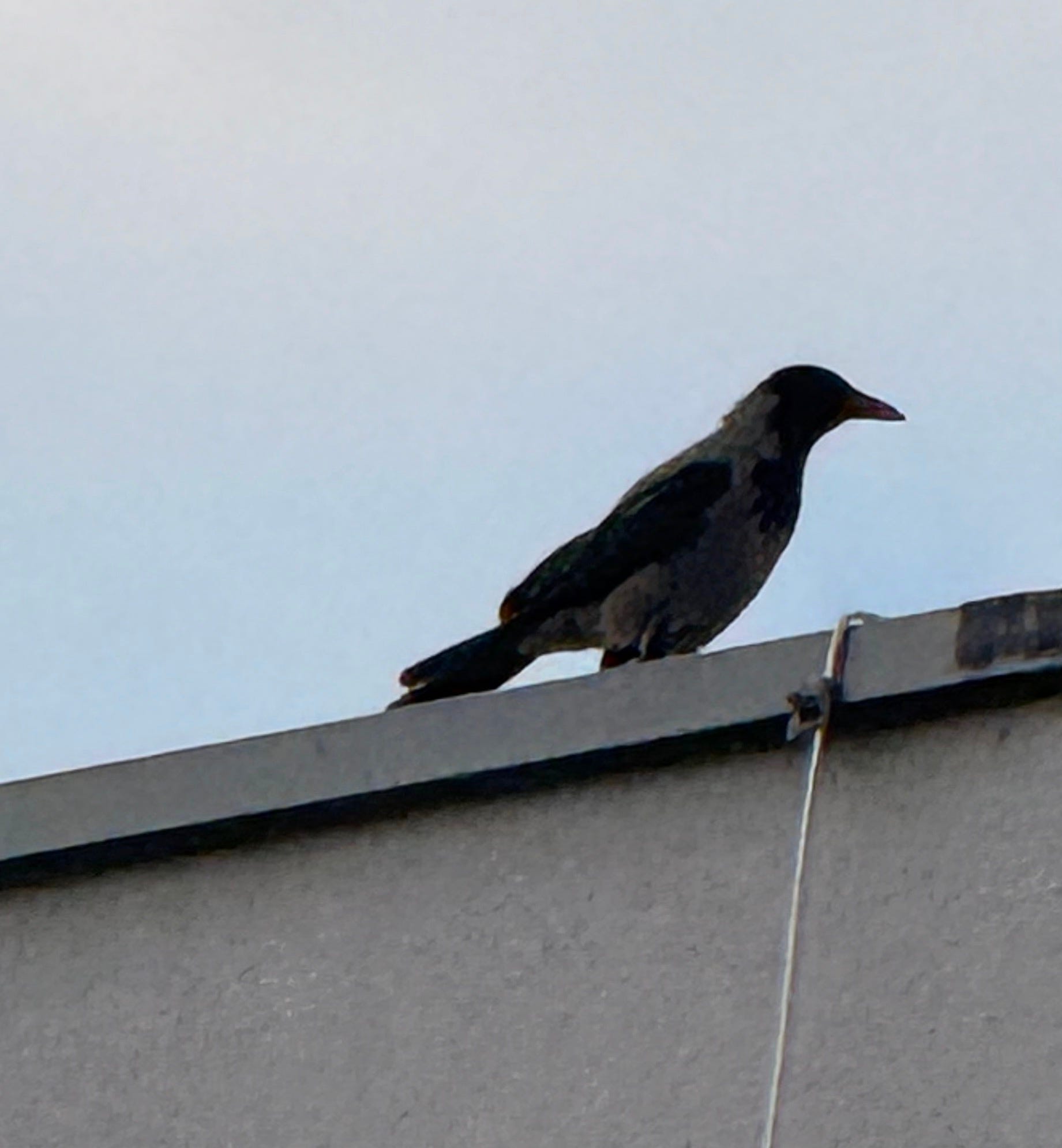
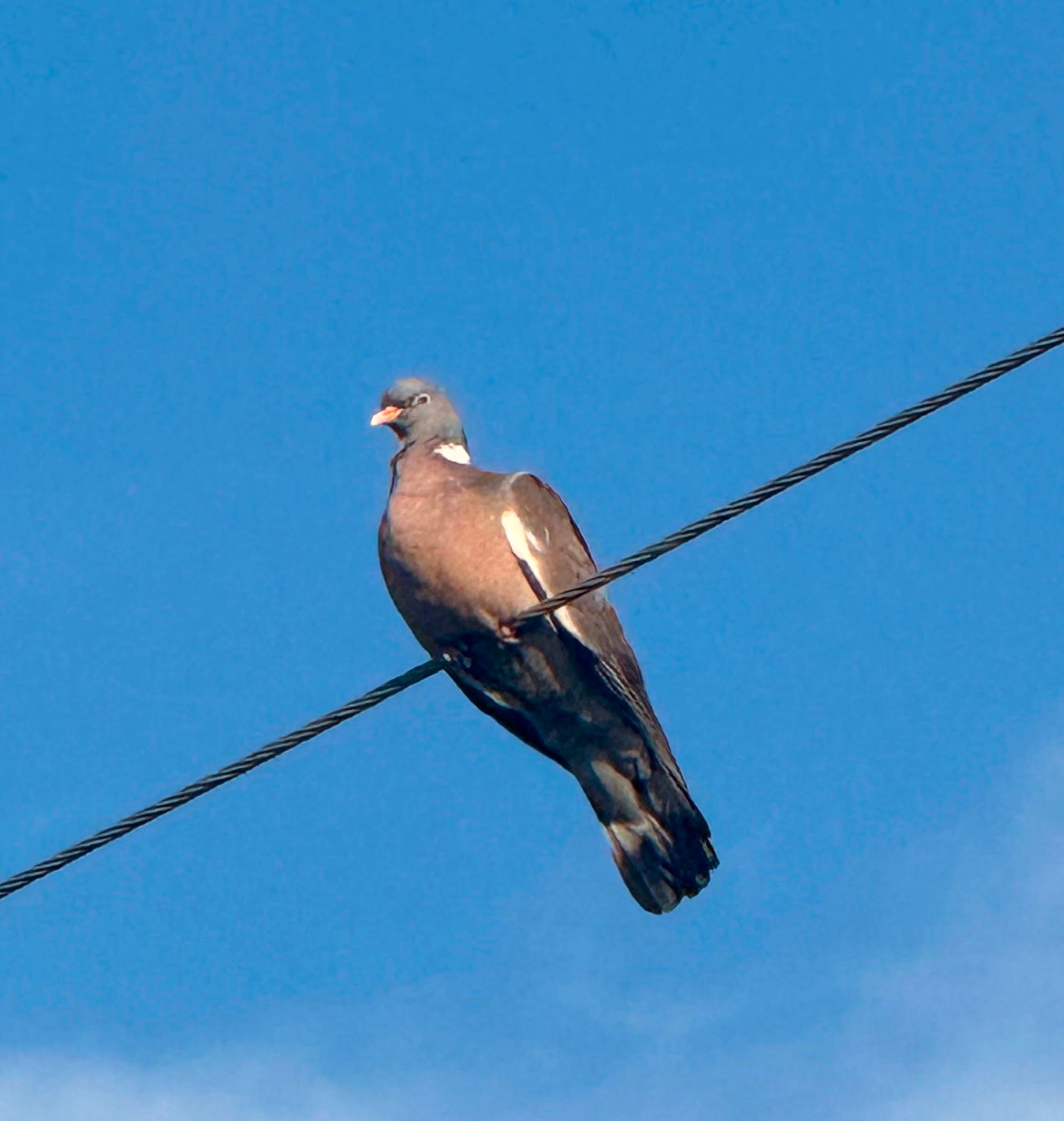
I’ve added many new birds to my life list and marveled at the size of Hungarian pigeons.
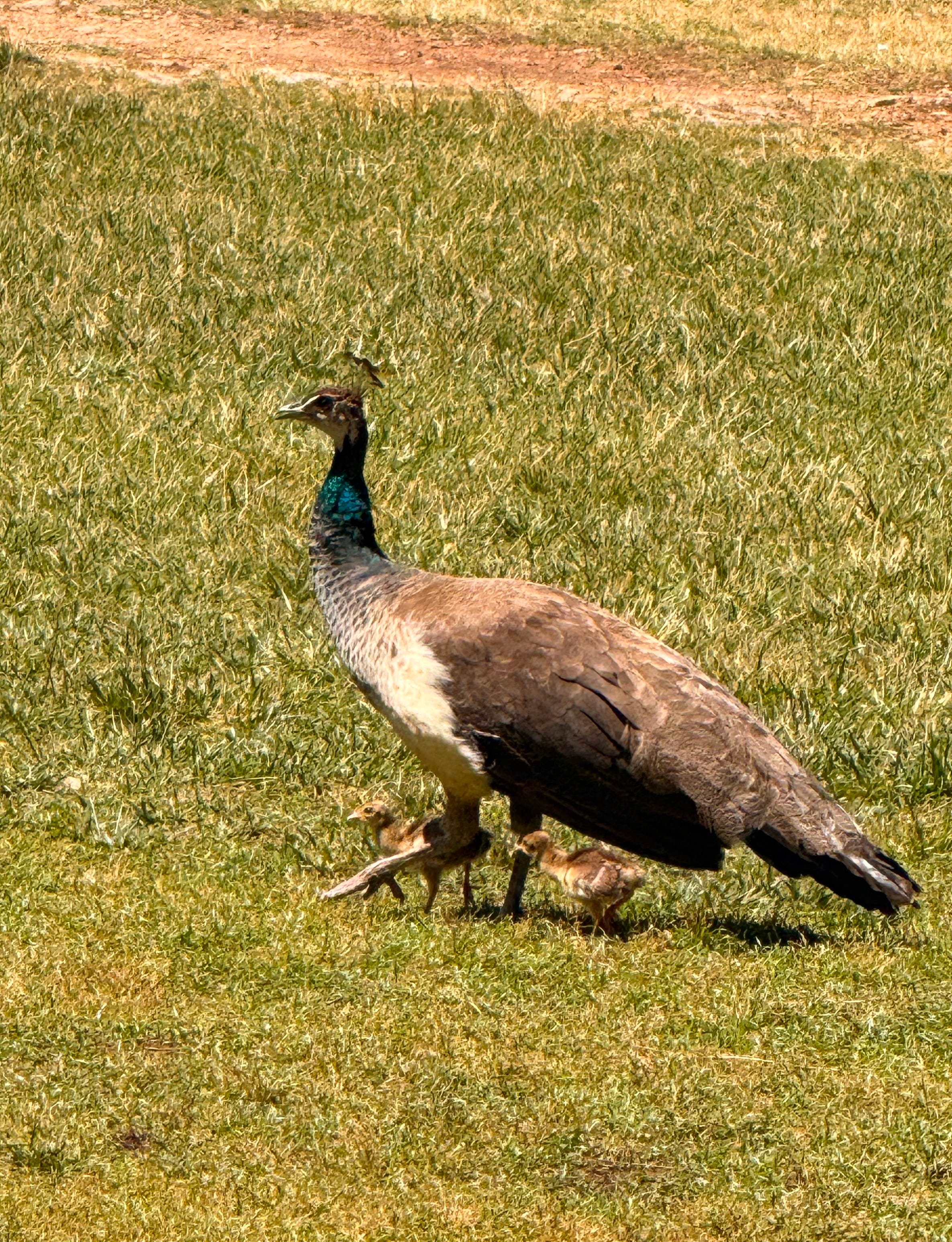
I saw peacocks wandering around with their little chicks! Fun fact: the official name for baby peacocks is peachicks.
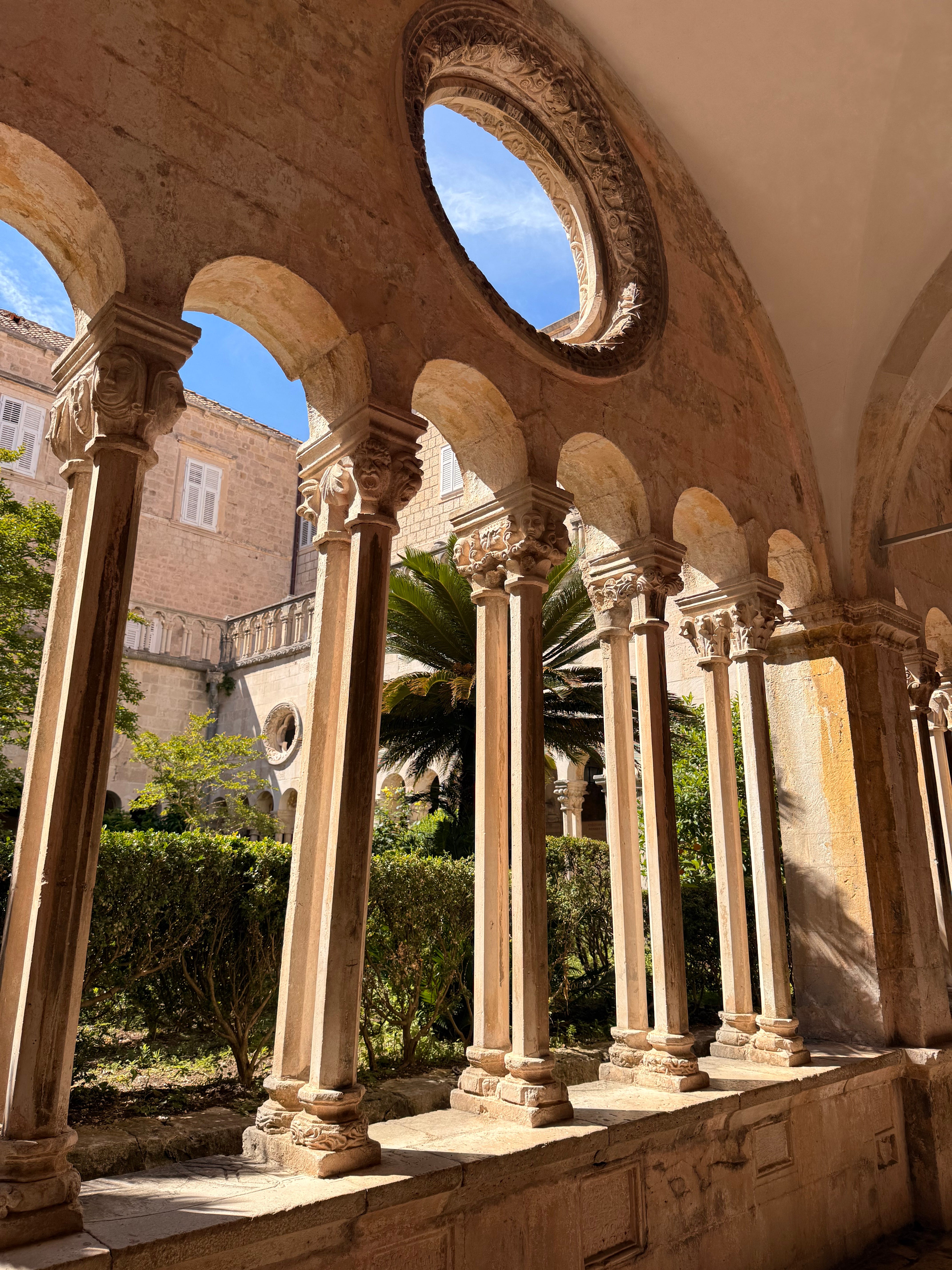
I’ve visited a lot of churches and monasteries three times as old as the United States, who have withstood much scarier things than I face on my scariest days.
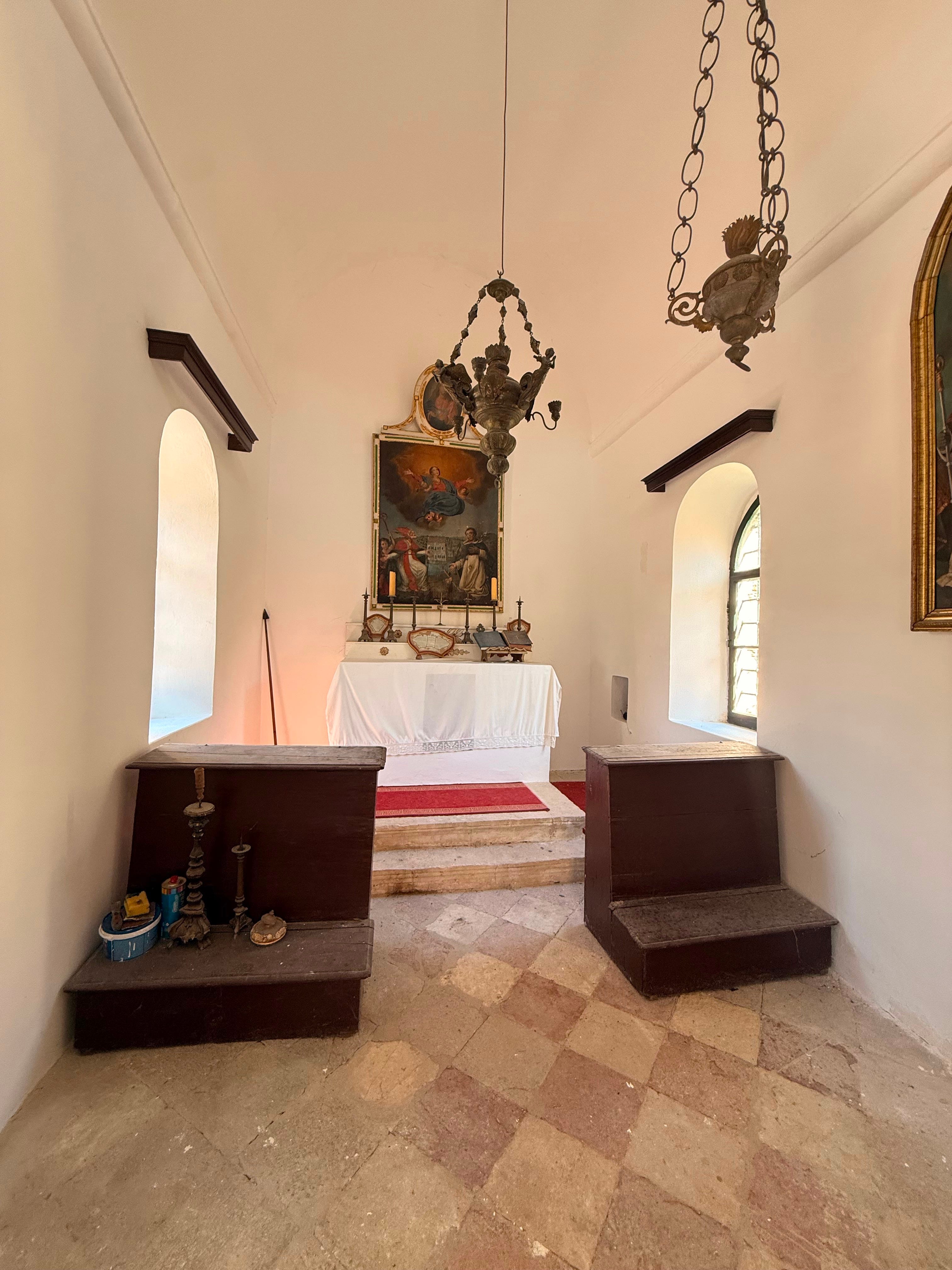
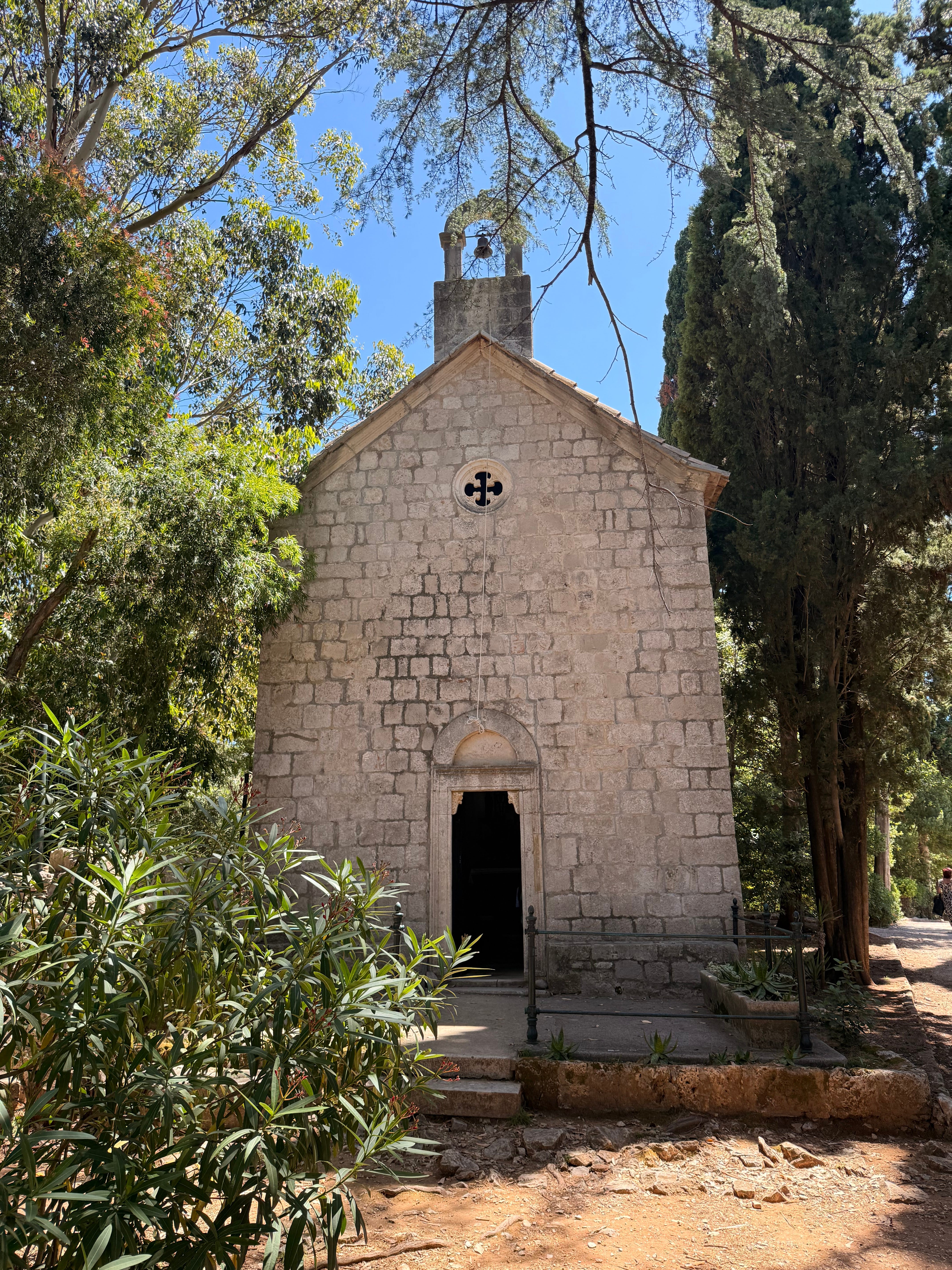
In Croatia, the monastery had cannon holes in it from the 1991 Baltic War.
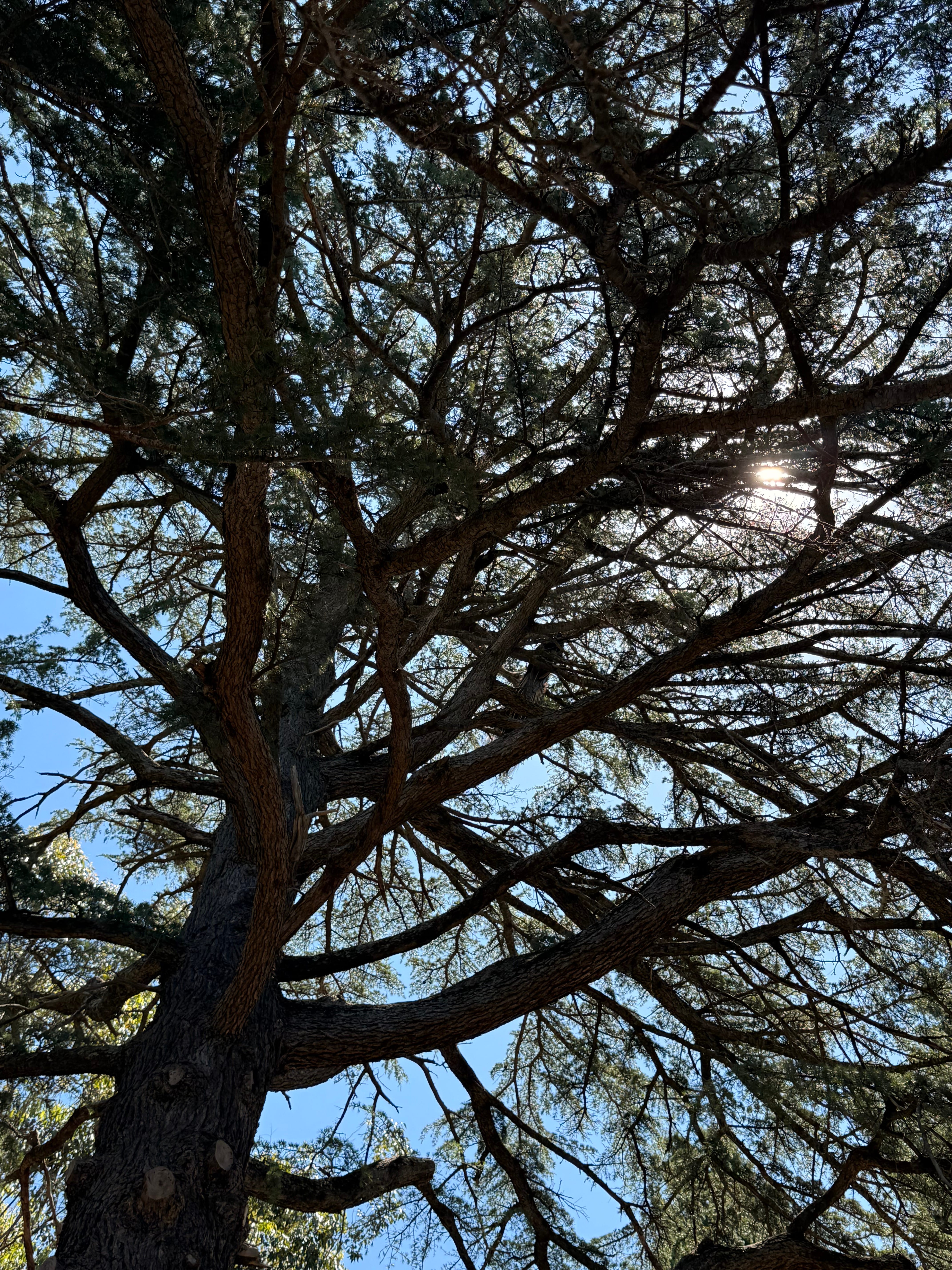
Trees raised their hands to the heavens and dug their roots into the belly of the earth.
She talks about this extensively in her book, Everything Happens for a Reason, and Other Lies I’ve Loved.
As someone who has struggled with treatment-resistant anxiety, PTSD, and chronic illness, I have really appreciated the writings of KJ Ramsey. Her middle-of-the-story writing about her own health crises have been a buoy more times than I can count. She recently released her memoir, The Place Between Our Pains, and Sarah Bessey interviewed her about what it was like to tell the story from the mortal middle, especially when talking about joy and health insurance in the same breath.
KJ described “joy as a thread, not a task.” Joy is not something we do or happen upon. It’s a thread woven into our lives. I borrow this idea of “joy as a thread” and think of hope this way, too. She later writes: “Like mycelium under the forest floor connects and nourishes every tree you can see, a sustaining web of love and connection is woven beneath us, even when we cannot see it. Joy is simply the sense of that web, the perception of the presence that is actually between us all in every moment.”